The Oasis for
Rational Conservatives

Sunday, January 25, 2026

Member Menu

The Amazon's Pantanal

Serengeti Birthing Safari

Wheeler Expeditions

Member Discussions

Article Archives

Archives

L i k e U s ! ! !

CHINA WOULD LOSE A TRADE WAR WITH THE US – GRADUALLY THEN SUDDENLY

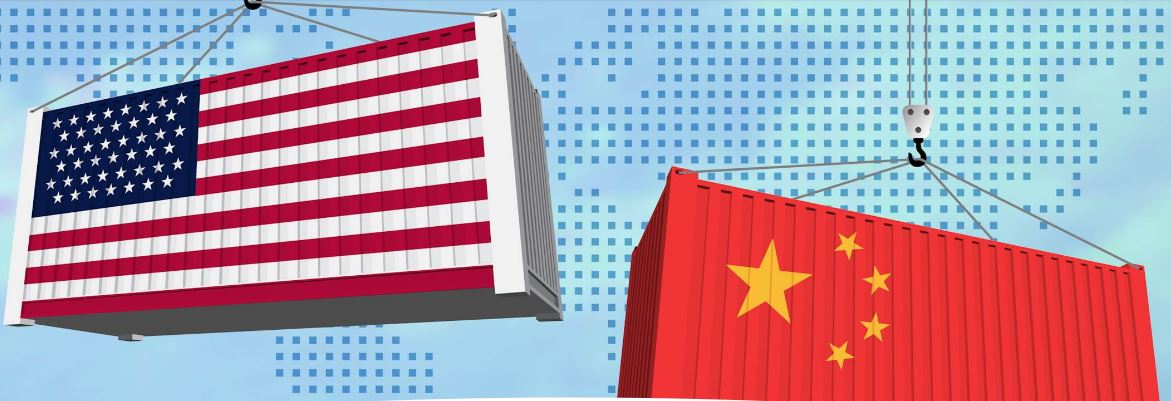
us-china-shipping-crates[Another extraordinary must-read by VDH!]

China's trade war bluff may backfire as the U.S. pushes allies to choose between a rogue economic actor and a flawed but fairer partner with unmatched global power. Here’s why.

No one wants a “trade war” with China, or for that matter with any nation. Nonetheless, China has been waging one for years and is now locked in a tariff recalibration with the Trump administration.

In this American effort to find trade parity and equity, China can do some short-term damage to the U.S., especially in terms of ceasing exports of some pharmaceuticals, phones, and computers. But ultimately, it cannot win—and will eventually lose catastrophically. It will likely accept that reality sooner rather than later.

For openers, try this on: China is running a nearly $1-trillion trade surplus with the world. Its mercantilism is the result of market manipulations, product dumping, asymmetrical tariffs, patent, copyright and technology theft, a corrupt Chinese judicial system, and Western laxity—or what might be mildly called “bullying.”

Read more...

THIS IS OUR MOMENT TO STAND UP TO CHINA

Make no mistake—this is our moment. After decades of disastrous trade deals, supply chain sellouts, and bipartisan cowardice in the face of communist China’s aggression, the Trump administration is doing what should have been done long ago: confronting Beijing head-on.

This isn’t just talk—it’s action. And it’s long overdue. If we don’t follow through now, we may never have a chance to do so again.

White House Deputy Chief of Staff Stephen Miller didn’t mince words during his appearance on “Sunday Morning Futures” (4/13) with Maria Bartiromo. He made it abundantly clear that the administration understands the stakes. China isn’t just a competitor—it’s a hostile regime engaged in full-spectrum economic warfare against the United States.

Read more...

INSIDE GIBRALTAR

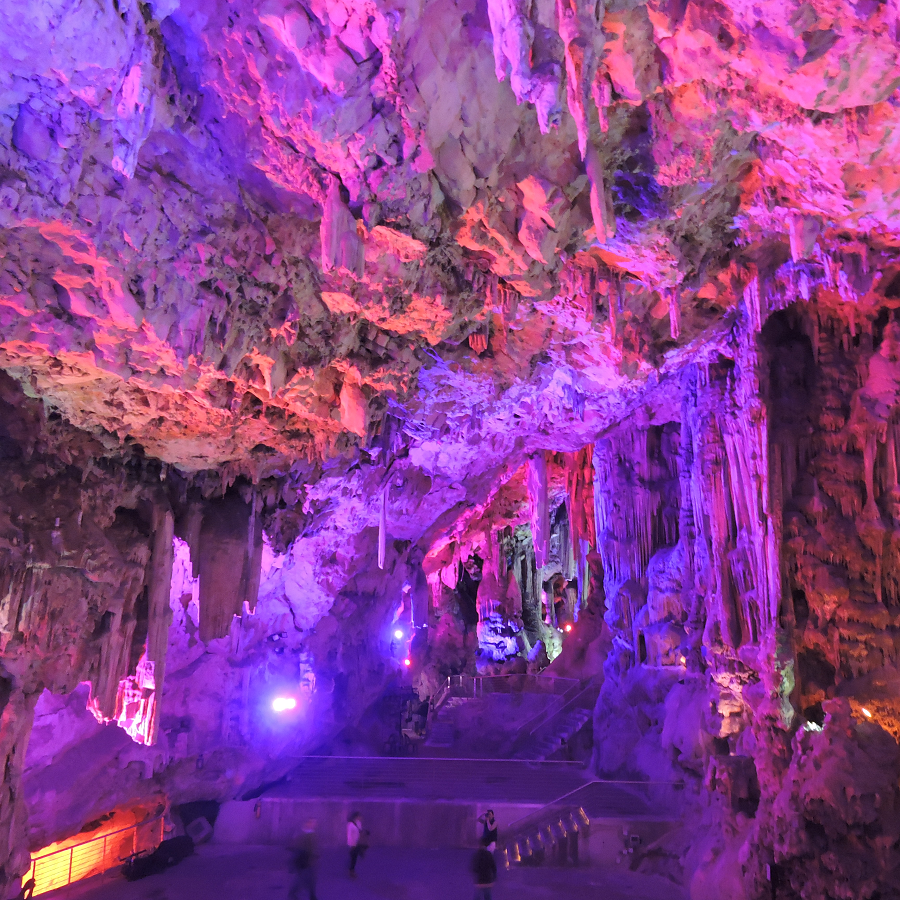
rock-of-gibraltarWe’re all familiar with the famed Rock of Gibraltar, huge and imposing from the outside – but inside the Rock itself is the enormous St. Michael’s Cave with fantastical formations colorfully illuminated.

For millions of years, rainwater created fissures in the Rock’s limestone widening into huge caves with the steady drip of mineralized water creating massive stalactites hanging from cave ceilings and stalagmites rising up from cave floors. A phantasmagorical experience.

Gibraltar has been a British territory since 1713 when Spain ceded it in the Treaty of Utrecht. Thus also high up inside the Rock are the Great Siege Tunnels the British dug then lined with cannon emplacements to defeat Spain’s attempt to seize Gibraltar in the 1780s.

Walking through the tunnels, you peer below looking down where the Spaniards and their French allies were vainly dug in – and where there is now an airplane runway stretching across the isthmus.

That’s just a glimpse of what to discover visiting Gibraltar, as there’s so much more! (Glimpses of Our Breathtaking World #12, photo ©Jack Wheeler)

Read more...

THE MOONLIGHT SYMPHONY

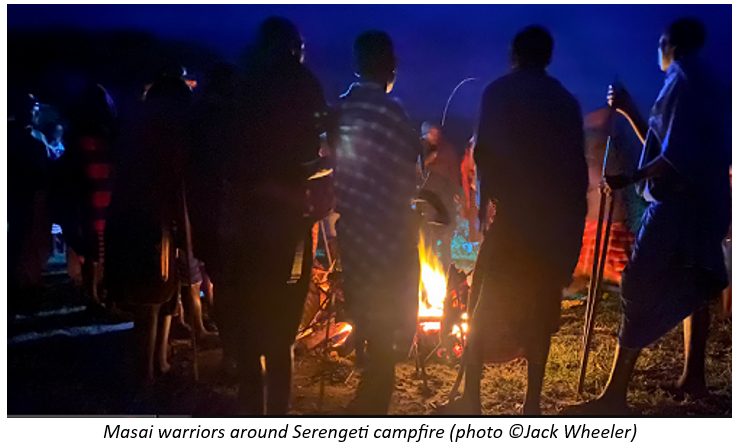
masai-warriors-campfire[This Monday’s Archive was first published on July 1, 2005. It has particular relevance today, as you’ll soon see. As you know, I just returned from our latest safari in the Serengeti. So I was taken aback on how what was written on safari in Africa 20 years ago applies to America right now. The big difference is that today we have a President who behaves more like a Masai than his last several predecessors]

TTP, July 1, 2005

MORU ROCKS, SERENGETI PLAINS, TANZANIA, AFRICA. It is at night that Africa becomes most alive – especially when there’s a full moon.

The most restful night’s sleep one can have, it seems, is when you are lulled by the cackling whine of hyenas, the incessant barking of zebras, the coughing of lions, the grunting of hippos, the bellowing of Cape buffalo, the stomach rumblings of elephants, the flutter of Guinea fowl roosting in the trees, and the soft chirp of the tiny Scopes owl. The Moonlight Symphony of the Serengeti.

It is so soothing, perhaps, because these sounds accompanied our emergence upon this earth. The plains of East Africa are where such proto-hominids as Australopithicus and Homo habilis became us, human beings. It is where we came out of the trees, onto the plains, and became predators.

The dominant life form on these plains is mammals, and as you witness their vast numbers divided into a myriad of different species, you see there are two kinds: predators and prey. One way to distinguish between the two is the eyes.

Read more...

FLASHBACK FRIDAY – SHACKLETON

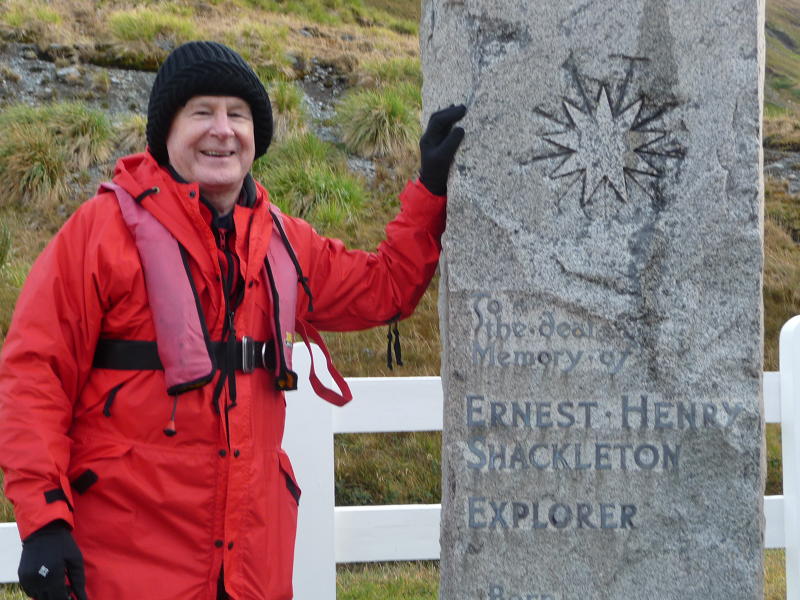
jw-at-shackletonYou likely read the new story this week of the extraordinary discovery of Antarctic legendary explorer Ernest Shackleton’s ship The Endurance 10,000 feet deep at the bottom of the Weddell Sea: Ernest Shackleton’s Sunken Ship Endurance Found 107 Years Later (3/09/22).

Perhaps you read my account of his incredible exploits in Endurance (April 2013). I thought to commemorate the ship’s discovery with this photo of me at Shackleton’s gravesite at the abandoned whaling station of Grytviken on the Antarctic island of South Georgia.

Shackleton was the most heroic arctic explorer of them all. The famous eulogy at his funeral says it all:

For scientific discovery, give me Scott

For speed and efficiency of travel, give me Amundsen

But when disaster strikes and all hope is gone

Get down on your knees and pray for Shackleton

(Glimpses of Our Breathtaking World #192 photo ©Jack Wheeler)

Read more...

HALF-FULL REPORT 04/11/25

 Volatility And Alignment


We are discussing Europe’s response to U.S. tariff policies under Trump and the broader implications for global alignments. Europe’s initial reaction involves engaging China through a summit and discussions to eliminate tariffs on Chinese electric vehicles, despite potential harm to its own automotive sector. This move underscores a rift between Europe’s economic elites, who favor closer ties with China, and its political leaders, who tread more cautiously.

For instance, Spain’s Prime Minister Sanchez prioritizes economic relations with China over fostering European unity, adopting an emotionally charged anti-Trump stance rather than pursuing pragmatic solutions.

European leaders are more concerned about domestic populism than the economic fallout from tariffs, revealing a strategic shortsightedness that could undermine the continent’s interests.

By deepening ties with China, Europe risks aligning with the emerging “Dragon Bear” bloc—China and Russia—potentially positioning itself against the U.S. in a new Cold War.

A likely outcome is a U.S.-Europe zero-tariff trade zone, which would favor America. On the global trade front, there is China’s manufacturing dominance, built on intellectual property theft and overcapacity, which Trump’s tariffs aim to counter.

A trade war could destabilize China’s economy, forcing it to dump goods in BRICS nations and Europe, potentially crippling their industries.

China’s Arctic ambitions are discussed, particularly a secretive deal to lease Adak Island, a former U.S. naval base, which Trump seeks to counter by reactivating the site to secure Arctic sea lanes.

Trump’s is making efforts to revive the U.S. coal industry and deregulate environmental policies. Coal is framed as a national security asset due to its stockpile capability and low cost compared to Russian gas, essential for re-industrialization where natural gas infrastructure falls short.

Previous EPA policies under Obama dismantled coal infrastructure, necessitating costly rebuilding. Trump’s executive orders target regulations across energy and environmental sectors, set to expire by 2026, aimed at lowering costs, boosting industries, and empowering states while maintaining environmental protections.

The world is at a crossroads, with Europe’s indecision, China’s overreach, and Trump’s assertive policies reshaping global economic and strategic dynamics.

Come on over to the HFR and let's talk about it.

Read more...

SLOVENIA’S VINTGAR GORGE

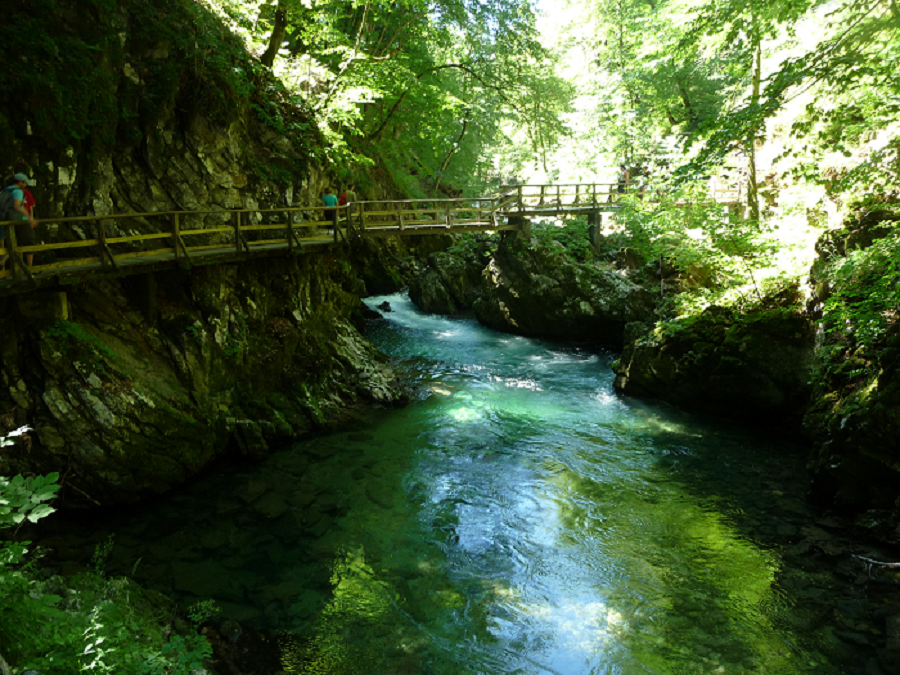
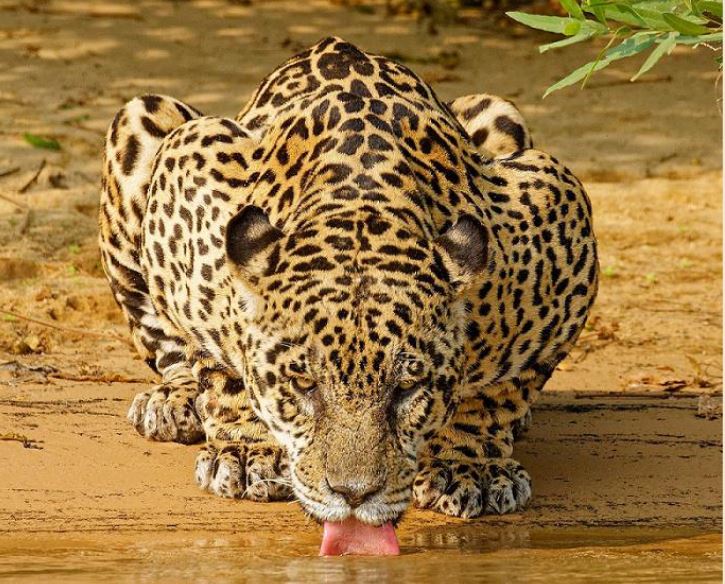
vintgar-gorgeIn a hidden corner of Europe, the Radovna River pours off the Julian Alps to carve out the Vintgar Gorge with crystal clear water. A mile-long walkway with towering limestone cliffs on either side is your access.

Nearby is the gorgeous Lake Bled, with Bled Castle suspended atop a shoreline cliff. The medieval village of Piran, built on a spit of land projecting into the Adriatic Sea and encircled by a white sand beach is a short drive away. Ljubljana is one of Europe’s most utterly charming capital cities.

Most people have only heard of Slovenia as the birthplace of First Lady Melania Trump, but those who have been here understand it is one of the most entrancing countries on the European continent – pristine beauty, spotless environment, friendly and hospitable people, safe and very well-run. Whenever your next visit to Europe may be, try to include a few days or week or so here. You’ll never run out of fascinating things to do. A stroll through the Vintgar Gorge is an example out of so many. (Glimpses of Our Breathtaking World #19 photo ©Jack Wheeler)

Read more...

CURIOSITY PROVIDES THE ENERGY FOR EXCELLENCE

An essential ingredient for success at anything – beyond the most mundane of rote tasks – is curiosity.

Curiosity is about exploration and discovery; it creates energy, possibilities, and movement.

It also allows us to create relationships, and to grow more deeply and delightfully connected with one another. It allows us to play – and excellence in work can be like play for adults.

In my work as a Marriage and Family Therapist, Life Coach, and Business Consultant, I would be utterly useless without curiosity as a central deliberate practice.

I need to get to know, before I do anything else, who this other person is - or who these people are if it’s a couple or a work team.

I need to be keenly interested in knowing and understanding them, their circumstances, and what their goals and challenges and strengths are. That’s all about curiosity.

Think of your own work, your own family, your own friendships.

With those with whom you enjoy a good relationship, I would bet that you also are curious about who they are as people.

On the other hand, if there are people from whom you feel more distant or critical, you might find that bringing more curiosity about their internal worlds can bring fresh energy and interest – and perhaps greater compassion as well.

In our work, our success and prospects grow with curiosity.

The antithesis of curiosity is a sense of or desire for certainty.

Curiosity is a quality that allows us to deliberately expand our awareness, to explore and search for possibilities.

In contrast, when we look for certainty, we’re looking to end the search, and bring the exploration to a close.

Read more...

TRUMP’S “SHOCK AND AWE” TARIFF STRATEGY

“I think all the world would gain by setting commerce at perfect liberty.” Thomas Jefferson (1785)

Do you recall that one of President Donald Trump’s Day One executive orders was “Restoring Names that Honor American Greatness”?

This included reinstating the name “Mount McKinley” to the highest peak in North America, Alaska’s Denali.

In 2015, 40 years after the state of Alaska had restored the mountain’s native name, the Department of the Interior did the same. Nobody in Alaska wanted the name restored to McKinley, so why did Trump include this among his first actions?

Short answer: His admiration for McKinley’s Tariff Act of 1890, intended to protect domestic markets and workers by leveraging an average duty increase on imports from 38% to almost 50%.

McKinley would later revise his stance and advocate for more tariff-free international trade, which is not inconsistent with what Trump ultimately seeks — a level playing field.

Thus, as he said he would, Trump ordered tariffs on imported goods from every country that imposes tariffs and/or other trade barriers on U.S. exports — and some that don’t.

The most noticeable impact of those tariffs has been in the equity and bond markets – a barometer for economic outlook.

If you are fortunate enough to have accumulated some investments or retirement assets, the prospect of tariffs has taken a heavy toll on those assets — for the moment anyway.

As of the close yesterday, the Dow was down 11.51% year-to-date, while 10-year Treasury yields were back above 4%.

But that is about to change. Today, and likely for the rest of this week, expect major equity market recoveries because, after firing a loud shot across the bow of those subjected to last night’s global implementation of his tariffs, Trump has proven once again that the strategic “art of the deal” often depends on being unpredictable — the art of “organized chaos.”

Read more...

ROME IN AFRICA

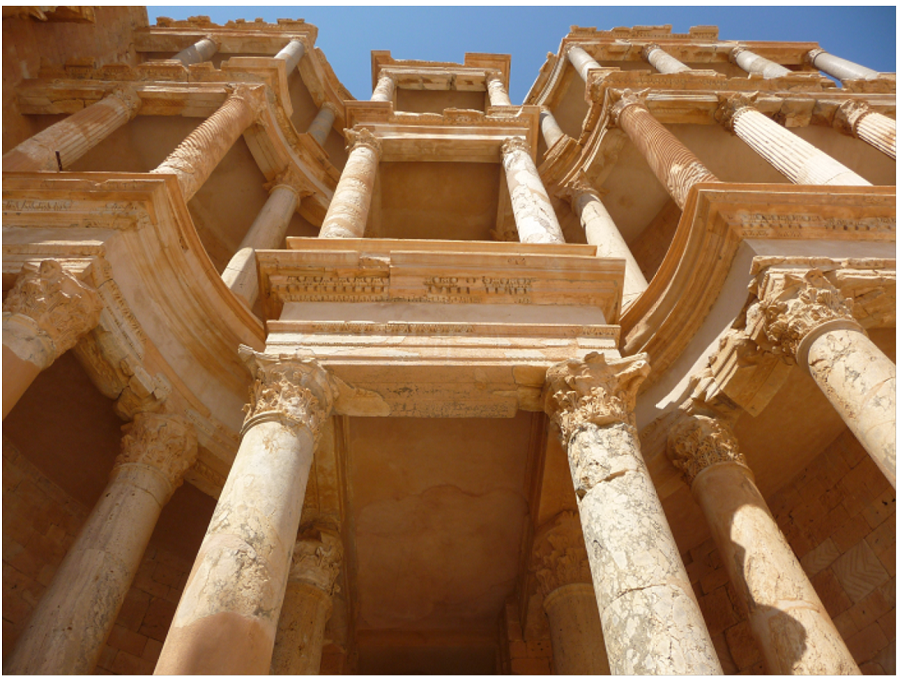
roman-theatreThe best place to see Roman ruins is not in Rome or anywhere in Italy. It’s in Africa – specifically on the Mediterranean coast of Libya. This is the Roman theatre at Sabratha built in the 1st century BC. Over 2,000 years old, it’s still mostly intact. Starting as a Berber village, the Phoenicians founded the city as Sabrat by 500 BC. Then came the Greeks, then the Carthaginians, and after the Punic Wars came Rome.

The Libyan coast was a lush fertile place back then. So much so that Sabratha and the other major Roman city nearby, Leptis Magna, produced several million pounds of olive oil per year – sale of which to Rome enabled them to achieve great wealth. It’s a shame that Libya remains today in chaotic civil war. Hopefully the day is not off when experiencing Rome’s most magnificent remains will be possible here again. (Glimpses of Our Breathtaking World #79 photo ©Jack Wheeler)

Read more...

SOMEBODY FINALLY GOT THE MESSAGE ABOUT THE PANAMA CANAL

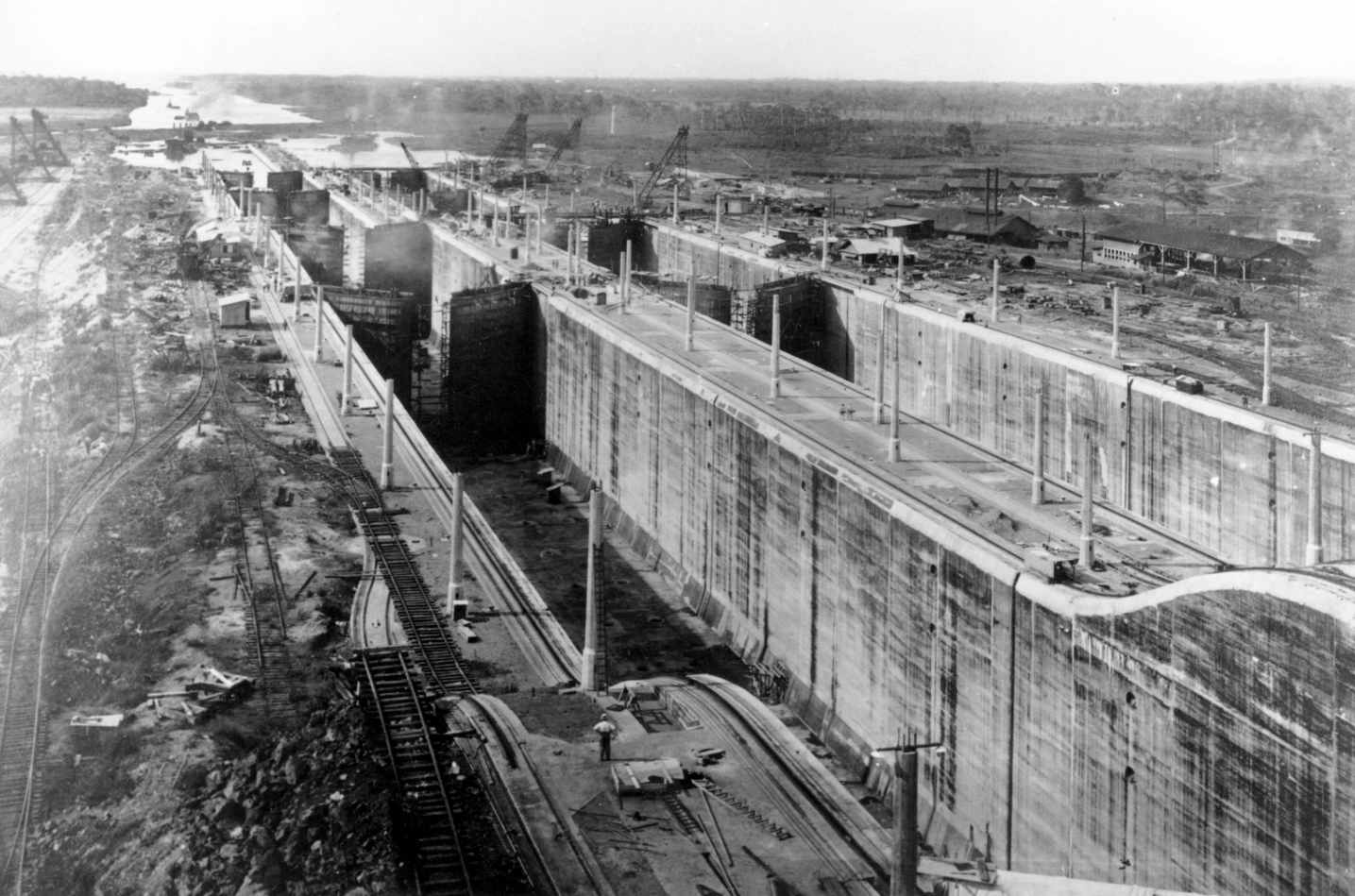
bldg-the-panama-canalWhen Donald Trump announced his intention to “take back” the Panama Canal from China, I had to chuckle. My old friend Linc, who had died in 2005, was having the last laugh after all.

As editor of the Daily Inter Lake newspaper in Kalispell, Montana, for 18 years, I got to meet hundreds of people whom I would never have come across otherwise when they came to visit me at my office. One of the most memorable was an octogenarian named Linc France.

Linc (short for Lincoln) was an American original. For decades he had run Linc’s Automotive in Columbia Falls. His 2005 obituary noted that “He could fix anything. If he didn’t have the tool, he could make one.”

Despite ending his formal education in the 8th grade to help support his family, Linc was knowledgeable about many topics and was also civic minded, having served on the Columbia Falls City Council and volunteered for various charities such as Meals on Wheels.

When Linc came to visit me in his blue jeans and flannels with a trucker cap above his piercing eyes, I would sit back in my chair and prepare to be both amused and challenged.

Generally, he would be dropping off a hand-written letter to the editor, and he would ask me to give it a once-over. Most of the time, the letter was about the Panama Canal.

President Jimmy Carter had signed the canal over to the nation of Panama for the contractual obligation of a single dollar back in 1977, and Panama took full control on Dec. 31, 1999, but by then most Americans weren’t interested.

On Feb. 28, 2003, Linc wrote a letter we titled “Canal could be sign of worse to come.” It was indeed prophetic:

Read more...

CNO WANTS INEXPENSIVE WAYS TO KILL HOUTHIS – AND I HAVE SOME THOUGHTS

Sometimes, the military finds ways to give the American taxpayer a bargain.
Precision, for example, can save a few bucks while still allowing the United States military to un-alive bad guys; just ask anyone who is familiar with the careers of Carlos Hathcock or Chris Kyle.

Instead of pouring machine-gun, rifle, and mortar fire down range, they were adept at knocking off bad guys with one .30 caliber round - and the taxpayers saved some money, in addition to which the bad guys became maladjusted at the realization that if they stuck their heads up, the last thing to go through their minds is likely to be 180 grains of America.

Sometimes, we can do it by using lower tech, too.

This brings us to a recent concern expressed by the acting Chief of Naval Operations, Admiral James Kilby, about how expensive the missiles are that we are using to revoke the birth certificates of Houthi rebels in Yemen.

“New acting Chief of Naval Operations (CNO) Adm. James Kilby said he regrets the Navy’s reliance on expensive, high-powered missiles to counter the Houthi threat in the Red Sea and pledged to push for cheaper, more efficient solutions.


Speaking to reporters at the Sea Air Space conference in National Harbor, Maryland, Kilby said he was "not concerned" about the Navy’s ability to protect its people – such as the 350 sailors aboard the USS Carney missile destroyer – or its ability to safeguard commercial shipping.


He is concerned, however, about "not having better ways to more economically attrit the threat." 

He has a point - and we, as a nation, are nearing $37 trillion in debt. So, how do we square that circle?

Well, here's a notion:

Read more...

THE ROCK OF ZANZIBAR

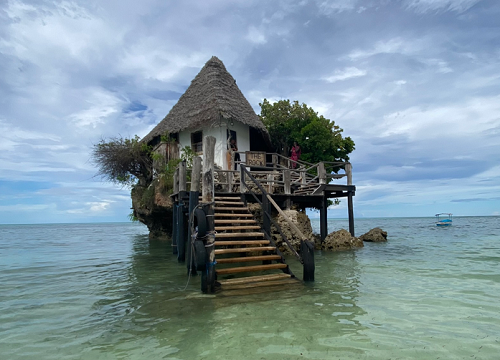
rock-of-zanzibarIt would be hard to find a more exotic restaurant than The Rock, perched on a coral outcropping off Michanwi Pingwe beach on the east coast of Zanzibar in the Indian Ocean.  Start off with what I found to be the world’s best (and largest) piña colada, then tuck in to marvelous fresh caught grilled lobster along with an excellent French chardonnay.  Finish with coconut tiramisù and a large cup of great Tanzanian coffee.  Rebel and I will always fondly remember our experience here – and so will you should you ever visit the extraordinary island of Zanzibar.  (Glimpses of Our Breathtaking World #287, photo ©Jack Wheeler)

Read more...

THE AMERICAN JACOBIN

“We should replace our piece of crap Constitution.”

Those words from author Elie Mystal, a regular commentator on MSNBC, are hardly surprising from someone who previously called the Constitution “trash” and urged not just the abolition of the U.S. Senate but also of “all voter registration laws.”

But Mystal’s radical rhetoric is becoming mainstream on the left, as shown by his best-selling books and popular media appearances.

There is a counter-constitutional movement building in law schools and across the country.

And although Mystal has not advocated violence, some on the left are turning to political violence and criminal acts. It is part of the “righteous rage” that many of them see as absolving them from the basic demands not only of civility but of legality.

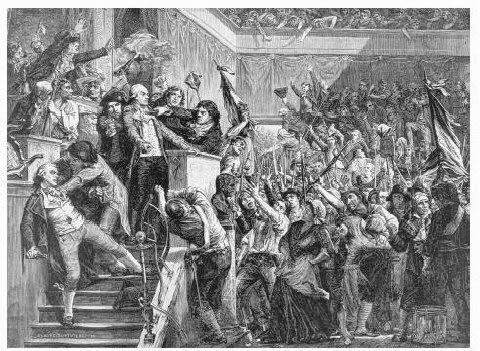
They are part of a rising class of American Jacobins — bourgeois revolutionaries increasingly prepared to trash everything, from cars to the Constitution.

The Jacobins were a radical group in France that propelled that country into the worst excesses of the French Revolution. They were largely affluent citizens, including journalists, professors, lawyers, and others who shredded existing laws and destroyed property.

It would ultimately lead not only to the blood-soaked “Reign of Terror” but also to the demise of the Jacobins themselves as more radical groups turned against them.

Of course, it is not revolution on the minds of most of these individuals. It is rage.

Read more...