Volatility And Alignment
We are discussing Europe’s response to U.S. tariff policies under Trump and the broader implications for global alignments. Europe’s initial reaction involves engaging China through a summit and discussions to eliminate tariffs on Chinese electric vehicles, despite potential harm to its own automotive sector. This move underscores a rift between Europe’s economic elites, who favor closer ties with China, and its political leaders, who tread more cautiously.
For instance, Spain’s Prime Minister Sanchez prioritizes economic relations with China over fostering European unity, adopting an emotionally charged anti-Trump stance rather than pursuing pragmatic solutions.
European leaders are more concerned about domestic populism than the economic fallout from tariffs, revealing a strategic shortsightedness that could undermine the continent’s interests.
By deepening ties with China, Europe risks aligning with the emerging “Dragon Bear” bloc—China and Russia—potentially positioning itself against the U.S. in a new Cold War.
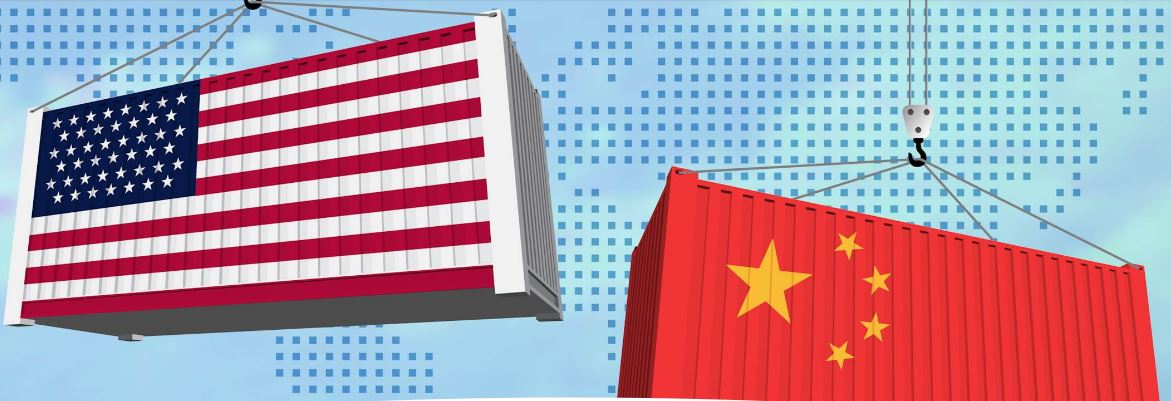
A likely outcome is a U.S.-Europe zero-tariff trade zone, which would favor America. On the global trade front, there is China’s manufacturing dominance, built on intellectual property theft and overcapacity, which Trump’s tariffs aim to counter.
A trade war could destabilize China’s economy, forcing it to dump goods in BRICS nations and Europe, potentially crippling their industries.
China’s Arctic ambitions are discussed, particularly a secretive deal to lease Adak Island, a former U.S. naval base, which Trump seeks to counter by reactivating the site to secure Arctic sea lanes.
Trump’s is making efforts to revive the U.S. coal industry and deregulate environmental policies. Coal is framed as a national security asset due to its stockpile capability and low cost compared to Russian gas, essential for re-industrialization where natural gas infrastructure falls short.
Previous EPA policies under Obama dismantled coal infrastructure, necessitating costly rebuilding. Trump’s executive orders target regulations across energy and environmental sectors, set to expire by 2026, aimed at lowering costs, boosting industries, and empowering states while maintaining environmental protections.
The world is at a crossroads, with Europe’s indecision, China’s overreach, and Trump’s assertive policies reshaping global economic and strategic dynamics.
Come on over to the HFR and let's talk about it.
Read more...






 [Another extraordinary must-read by VDH!]
 Join the forum discussion on this post
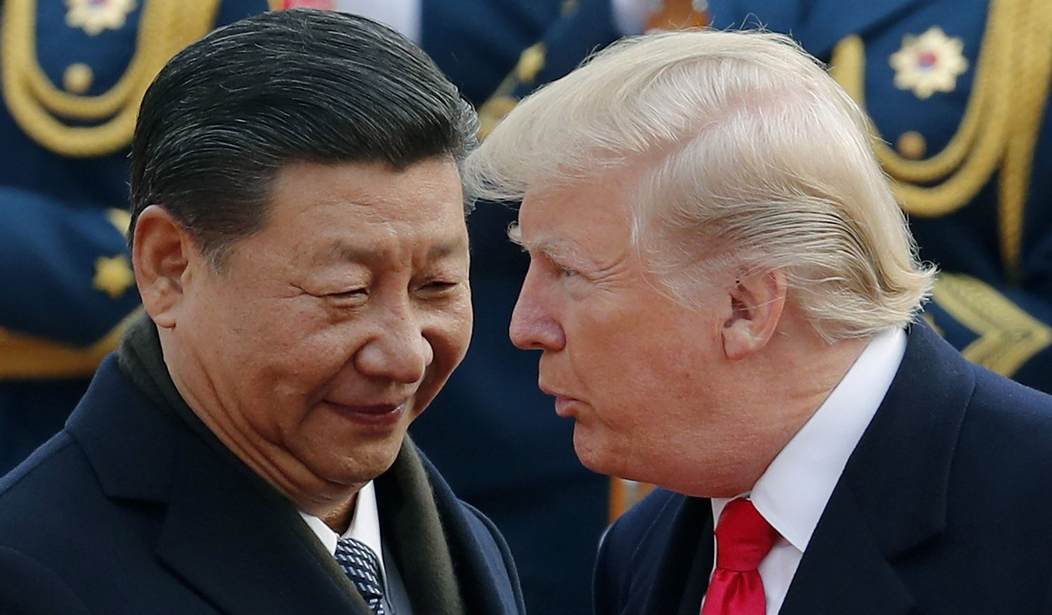 Make no mistake—this is our moment. After decades of disastrous trade deals, supply chain sellouts, and bipartisan cowardice in the face of communist China’s aggression, the Trump administration is doing what should have been done long ago: confronting Beijing head-on.





 “I think all the world would gain by setting commerce at perfect liberty.” —
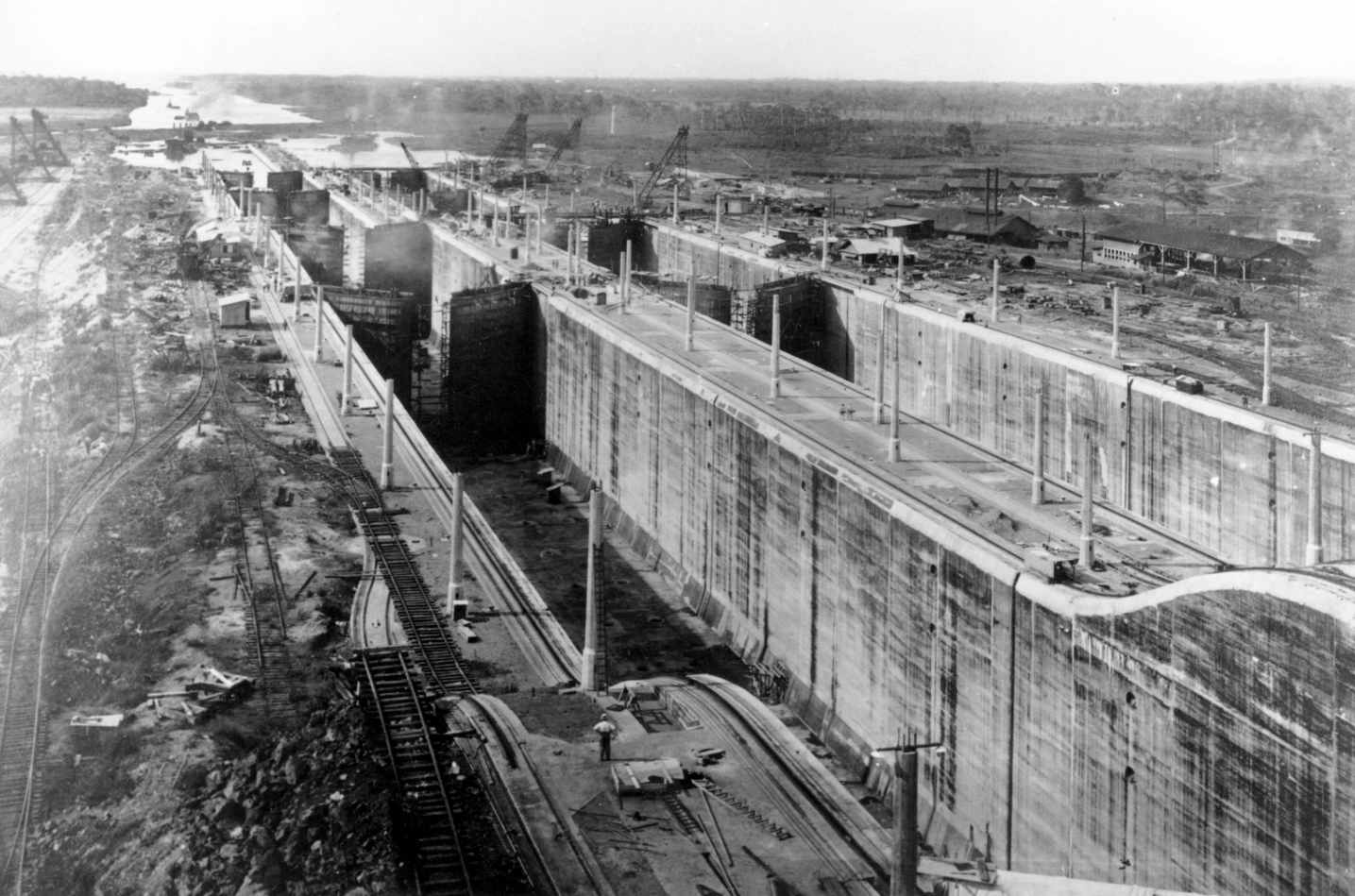
 Sometimes, the military finds ways to give the American taxpayer a bargain.

 “We should replace our piece of crap Constitution.”